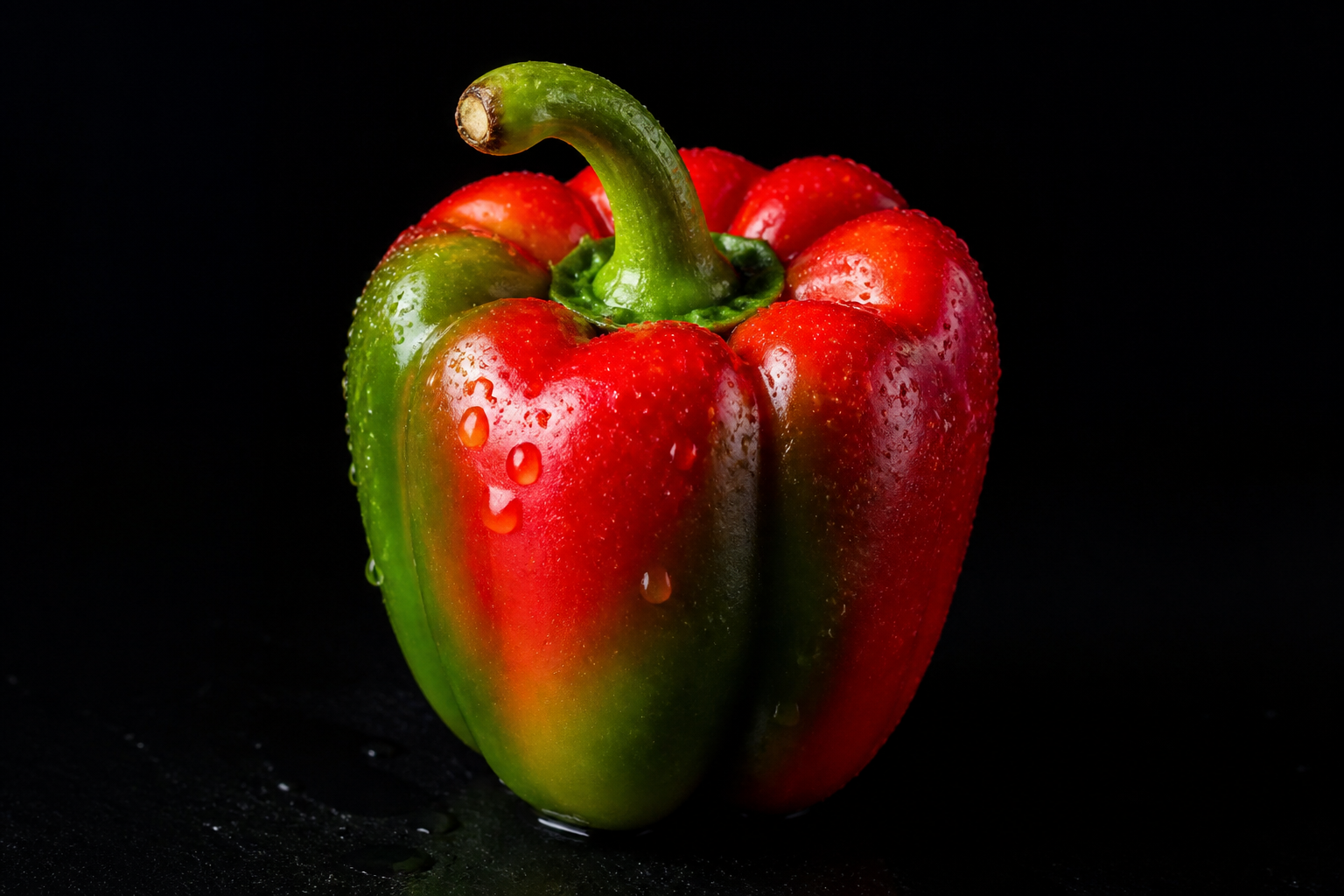
Bell Pepper
0 SHU
Zero heat — pure sweetness. The measuring stick everything else is compared against.
The definitive guide
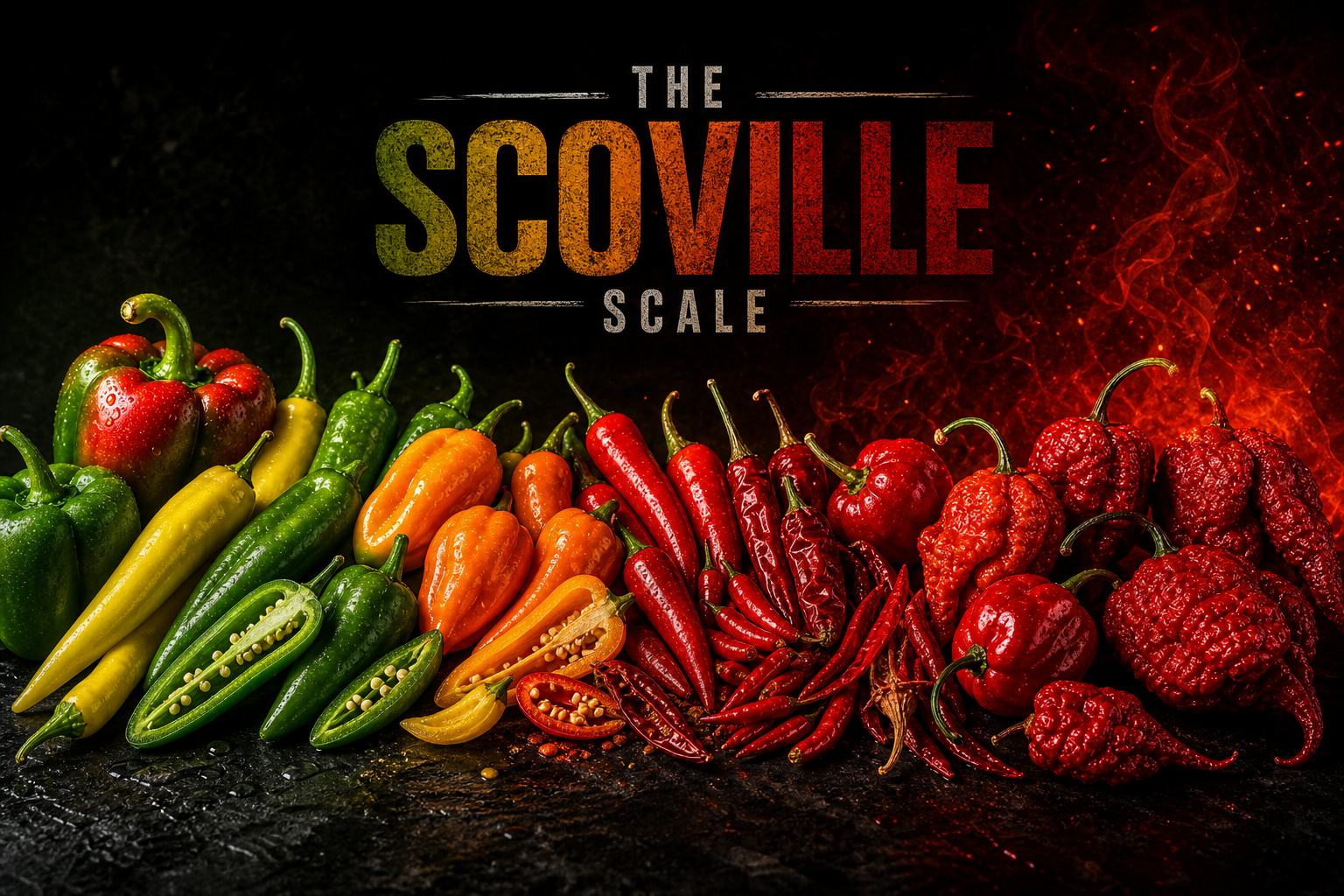
Every chili pepper ranked by heat — from sweet bell pepper to the record-breaking Carolina Reaper. Flavor notes, heat comparisons, and exactly where The Devils Cure sauces live on the scale.
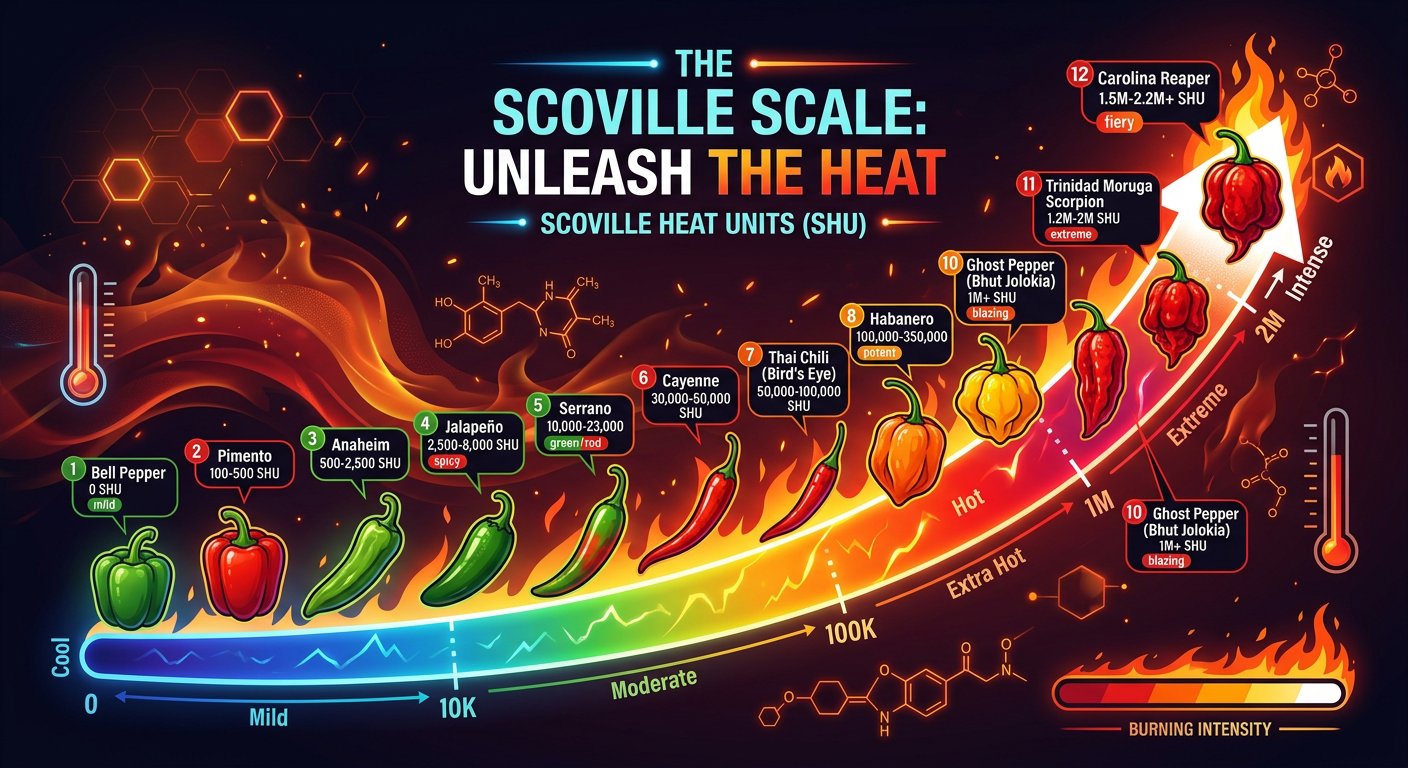
The Scoville scale measures the concentration of capsaicinoids — the compounds in chili peppers that cause heat — expressed in Scoville Heat Units (SHU). It was invented in 1912 by American pharmacist Wilbur Scoville, who originally measured heat by diluting pepper extracts in sugar water until a taste panel could no longer detect the burn. Modern labs skip the taste panel and use high-performance liquid chromatography (HPLC) to measure capsaicin concentration precisely.
One important thing the scale doesn't measure: flavor. Capsaicin has no taste of its own — it only triggers heat receptors. The fruity notes of a habanero, the grassiness of a jalapeño, and the balsamic depth of black garlic are all invisible to the Scoville scale. That's why heat alone never made a great sauce — flavor does.
0 SHU
Zero heat — pure sweetness. The measuring stick everything else is compared against.
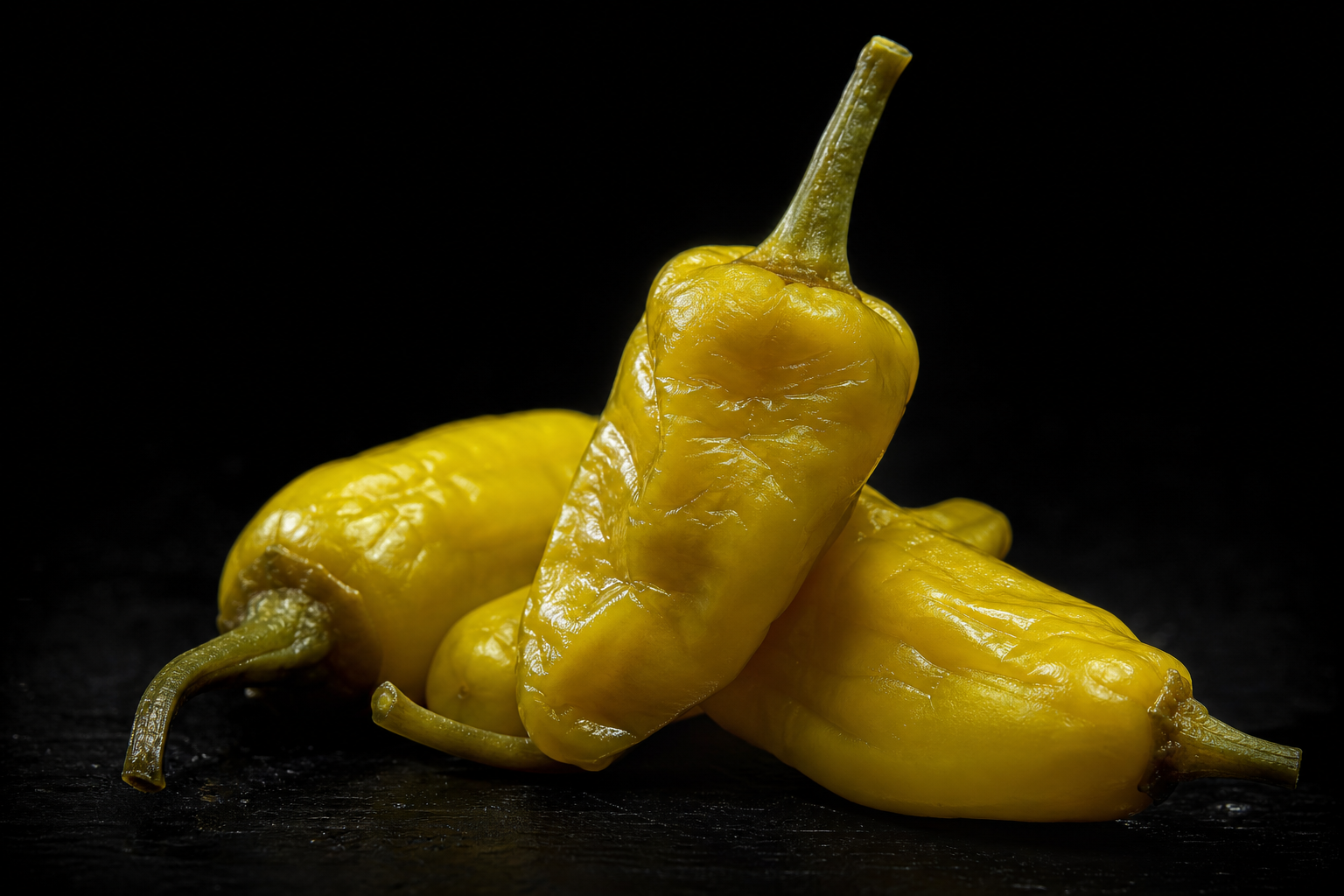
100–500 SHU
Mild, tangy, slightly bitter. Standard on Italian subs and Greek salads. Most people feel warmth, not pain.
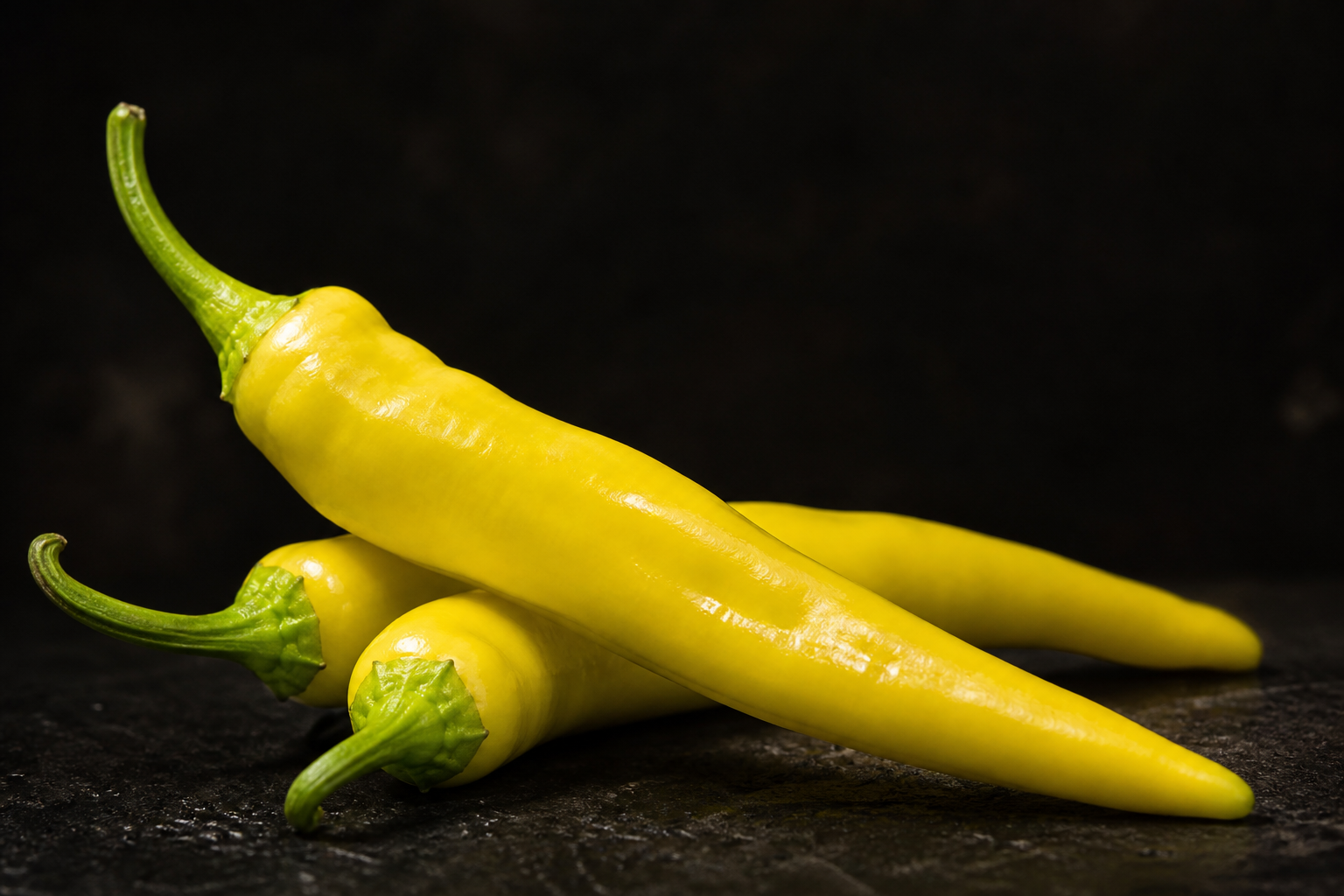
0–500 SHU
Bright and sweet with negligible heat. Most people notice zero burn — just a pleasant, tangy flavor.
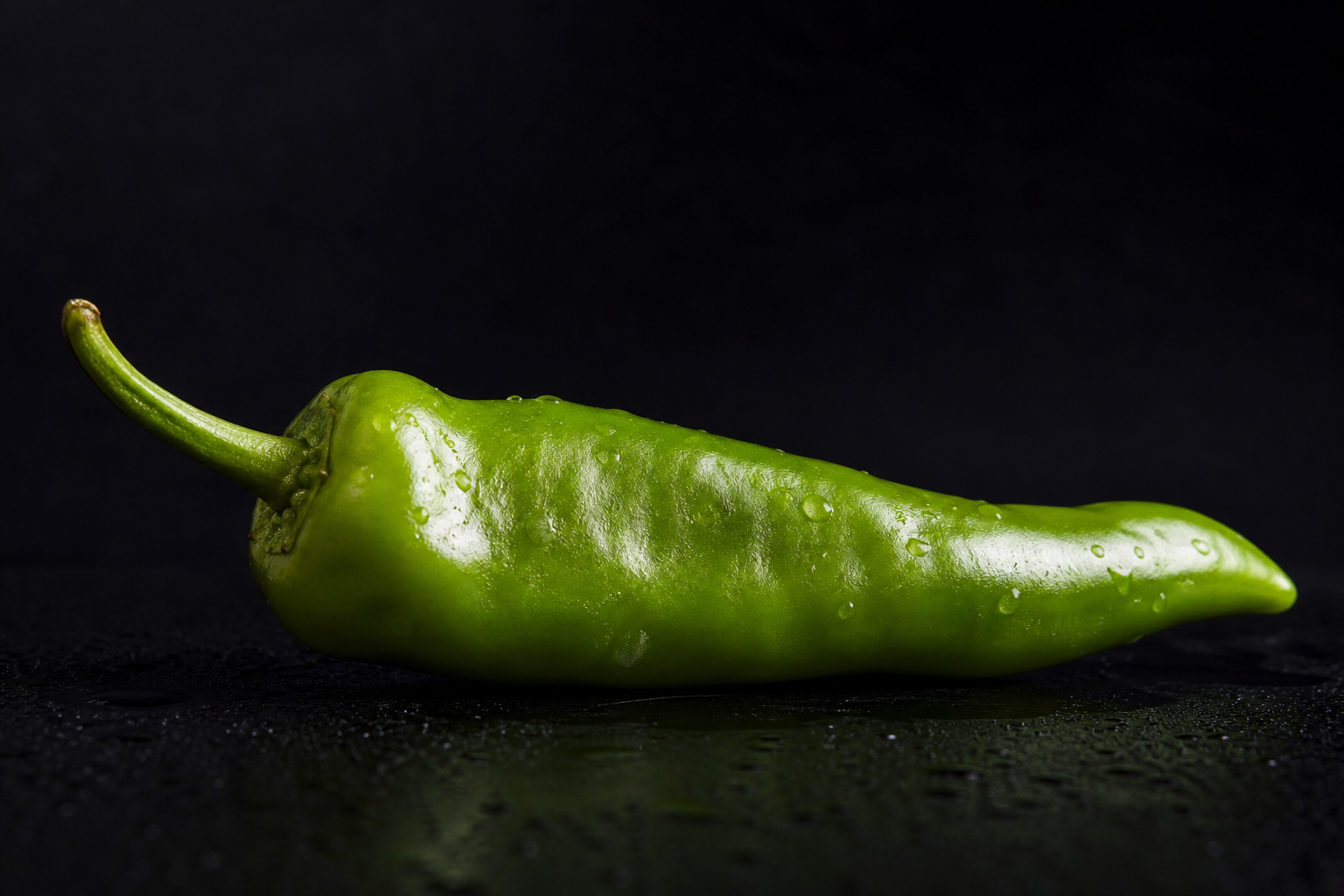
500–2,500 SHU
Mild green pepper with earthy, slightly smoky flavor. The backbone of Southwestern green chile dishes.
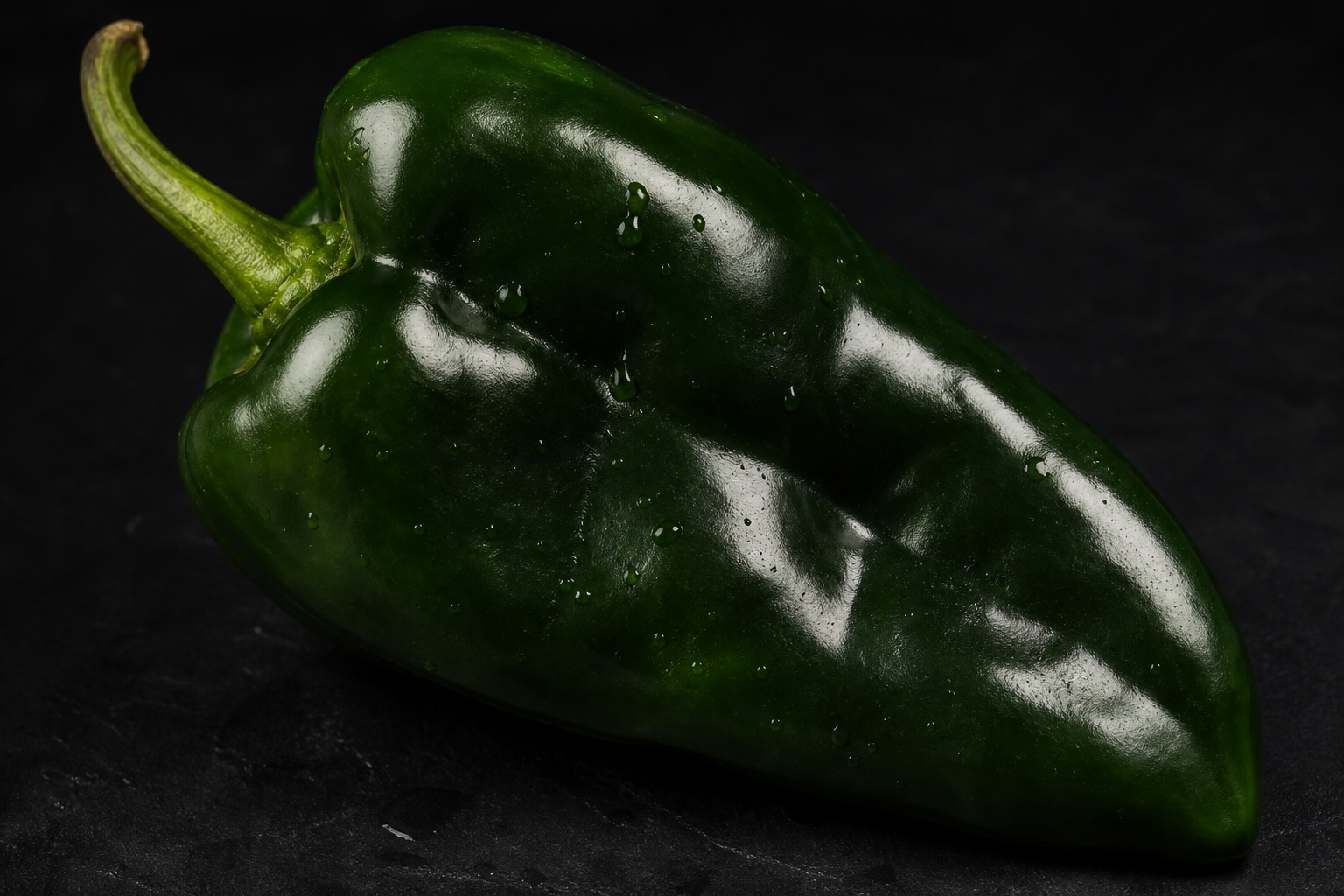
1,000–2,000 SHU
Rich, deep pepper flavor with gentle warmth. Dried, it becomes the ancho chili — the soul of mole negro.
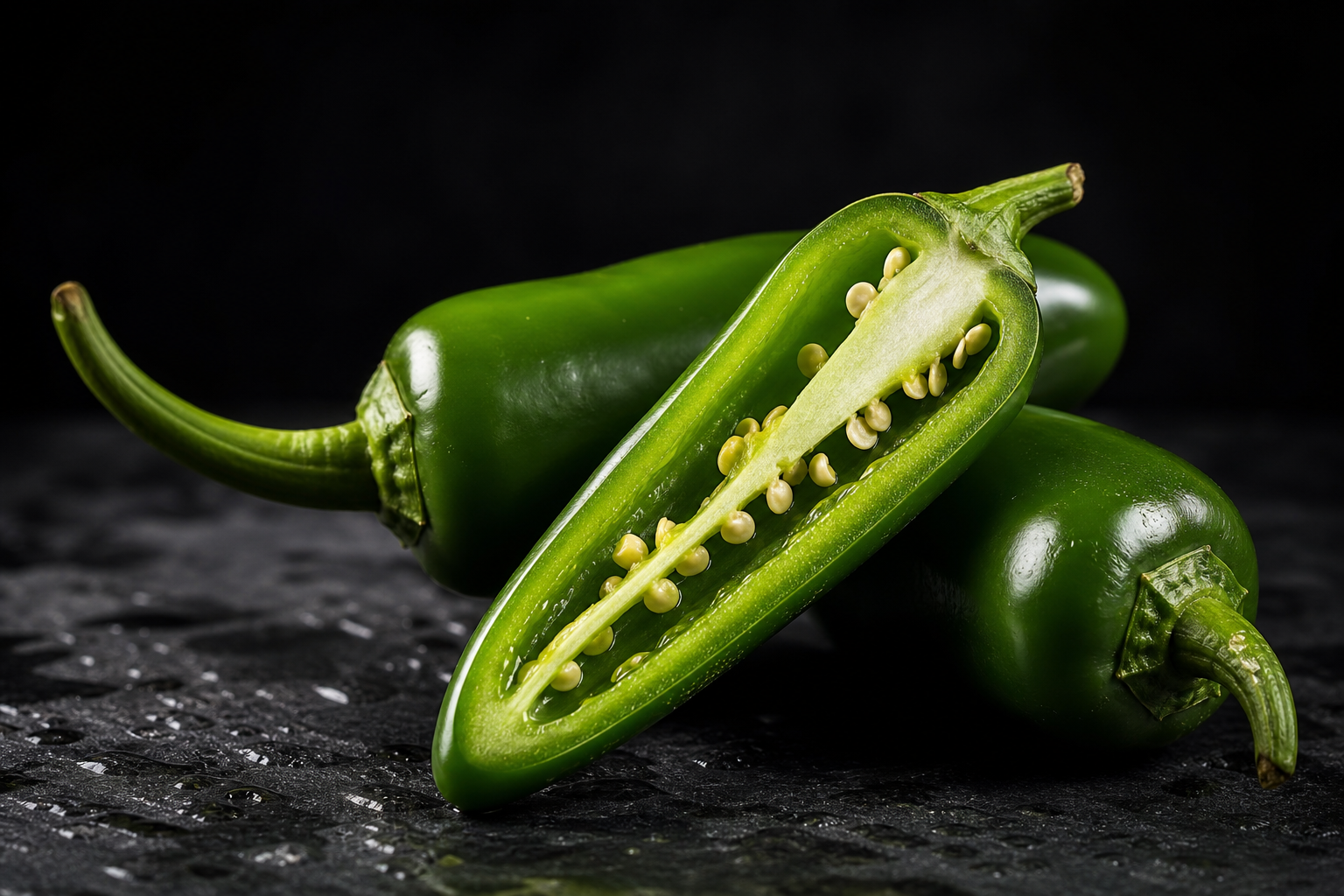
2,500–8,000 SHU
The global benchmark. Familiar, manageable heat with grassy, bright flavor. Most people can build a tolerance here.
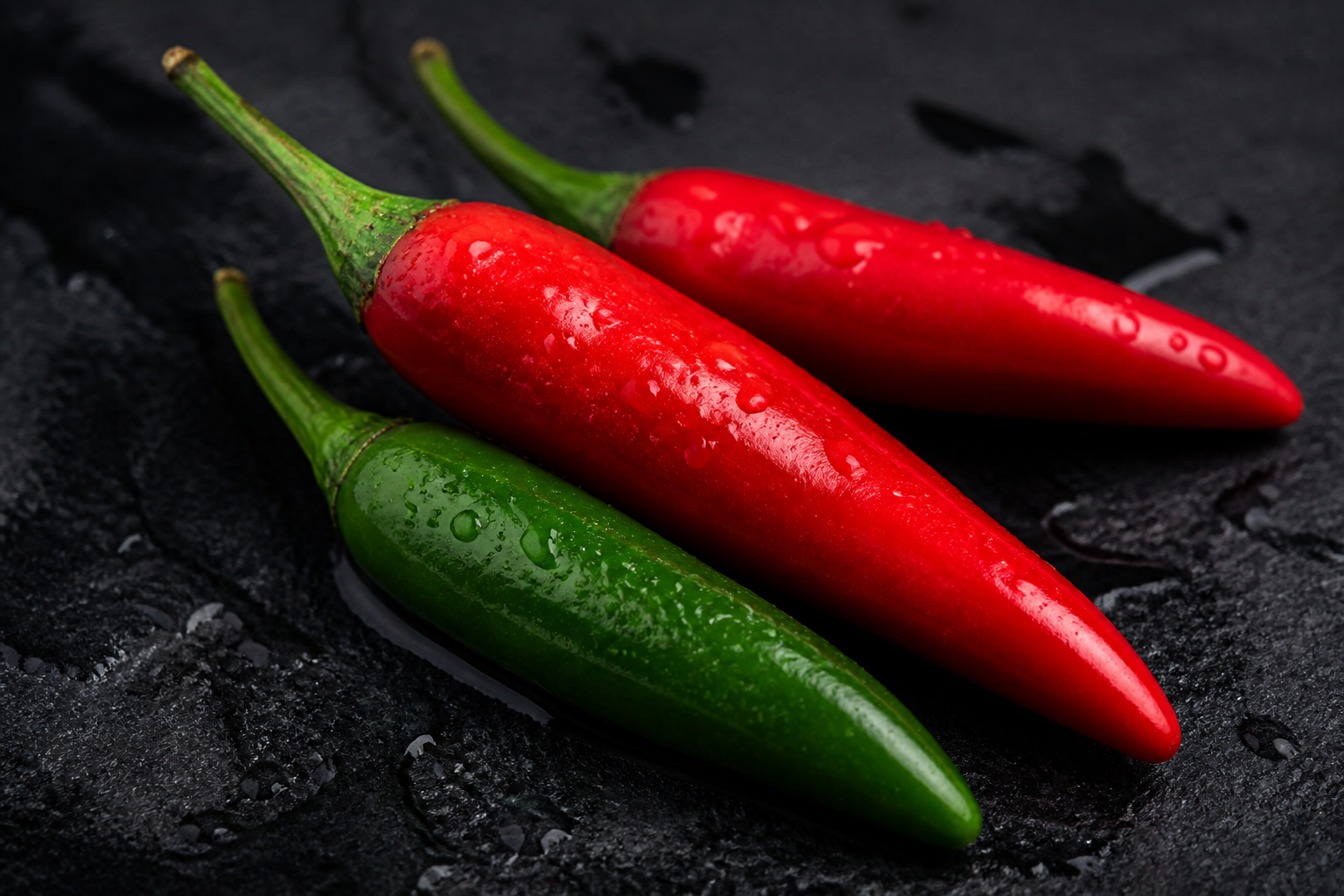
10,000–23,000 SHU
Sharper and cleaner than jalapeño with a crisp, vegetal bite. Preferred for fresh salsas and pico de gallo.
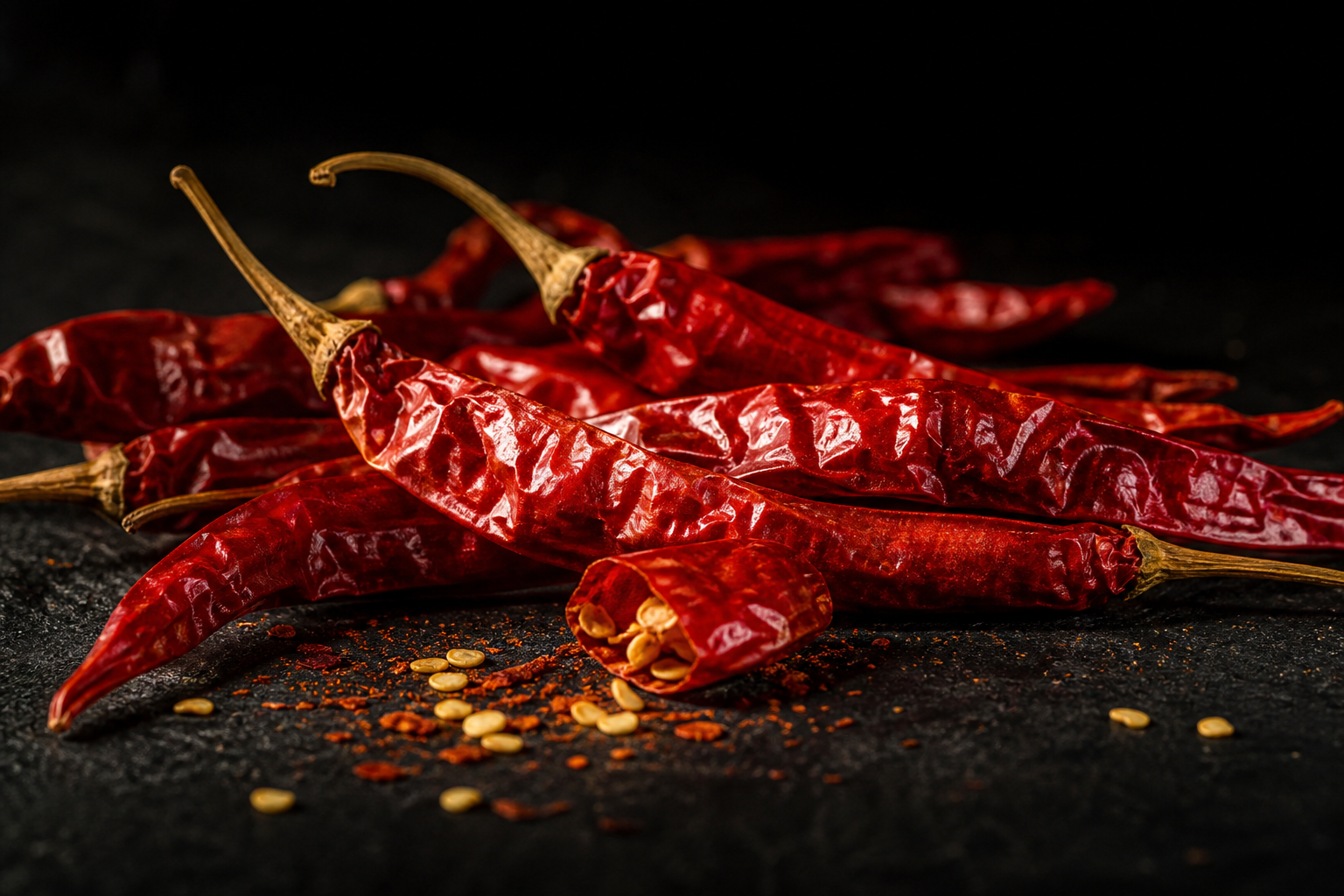
30,000–50,000 SHU
The backbone of most commercial hot sauces including Frank's RedHot. Thin-walled, dries easily, reliable neutral heat.
The Devils Cure — At This Level
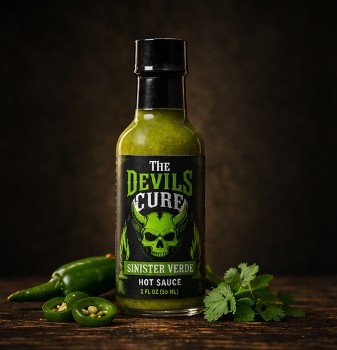
Roasted tomatillo and charred jalapeño with lime, cilantro, and Mexican oregano — salsa verde with intent. Looks innocent; lands with a clean jalapeño bite.
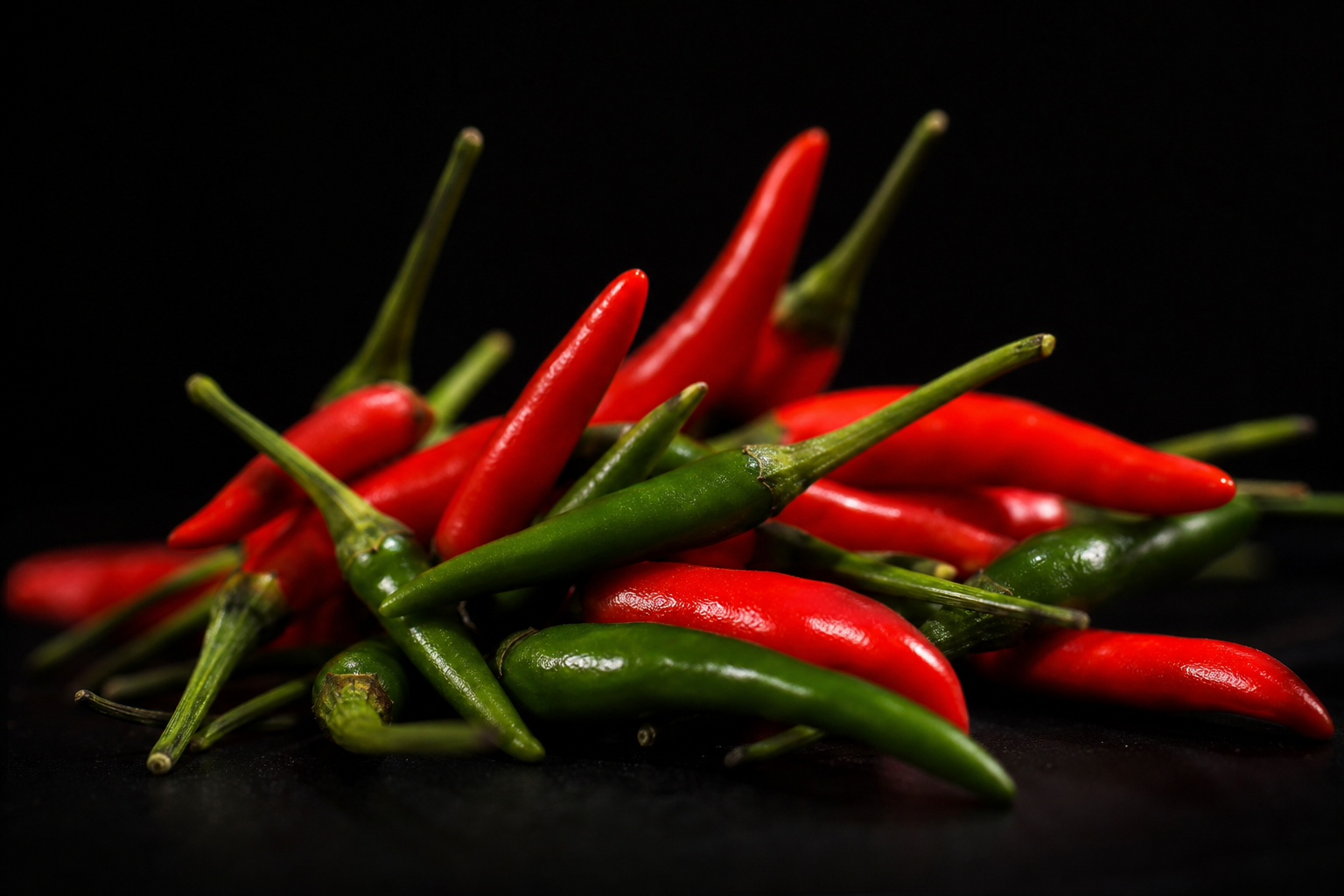
50,000–100,000 SHU
Small and deceptively fierce. The heat engine behind Thai, Vietnamese, and much of Southeast Asian cooking.
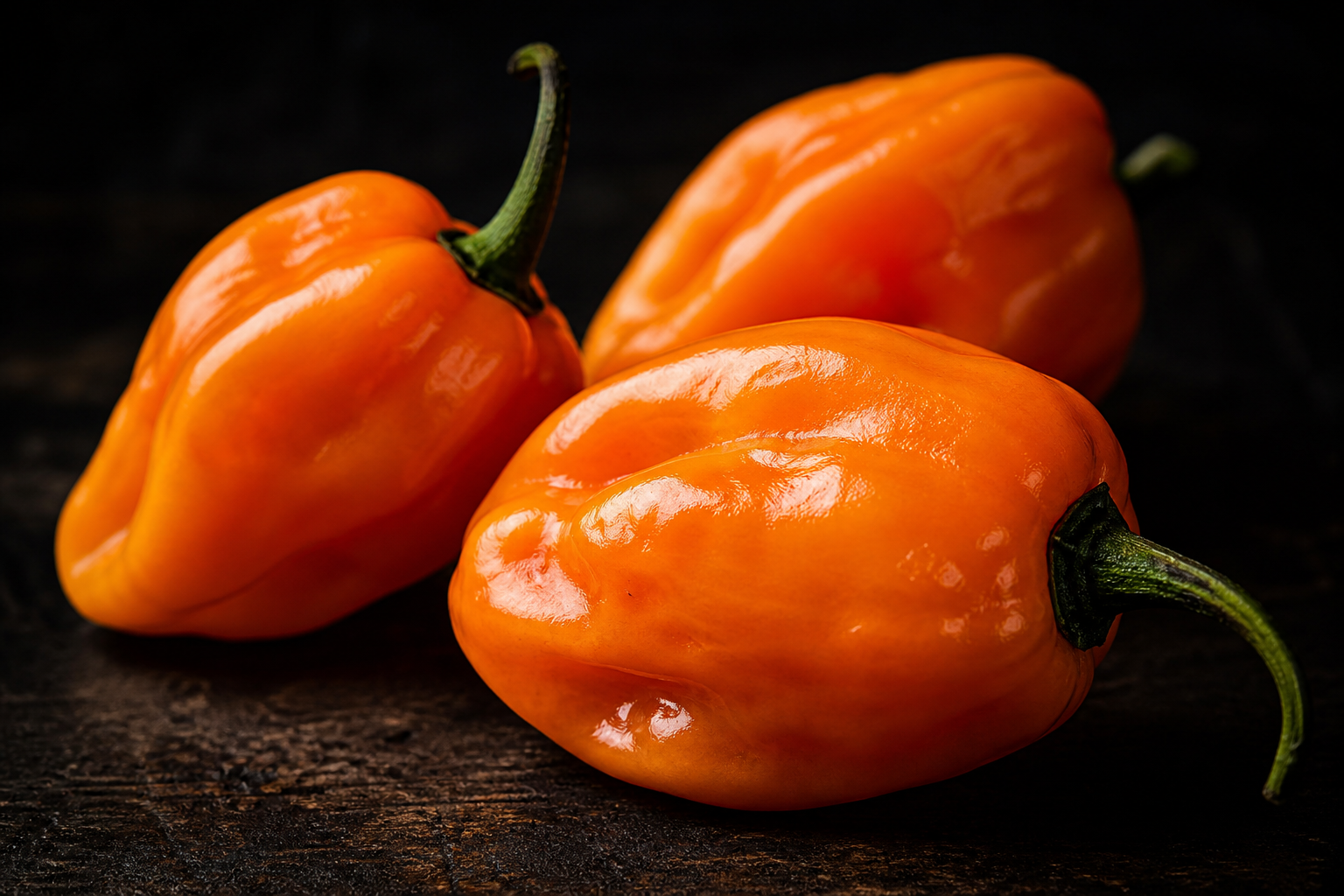
100,000–350,000 SHU
Fruity, floral, and intense. The line between recreational and serious heat — distinctive aroma before it even hits your tongue.
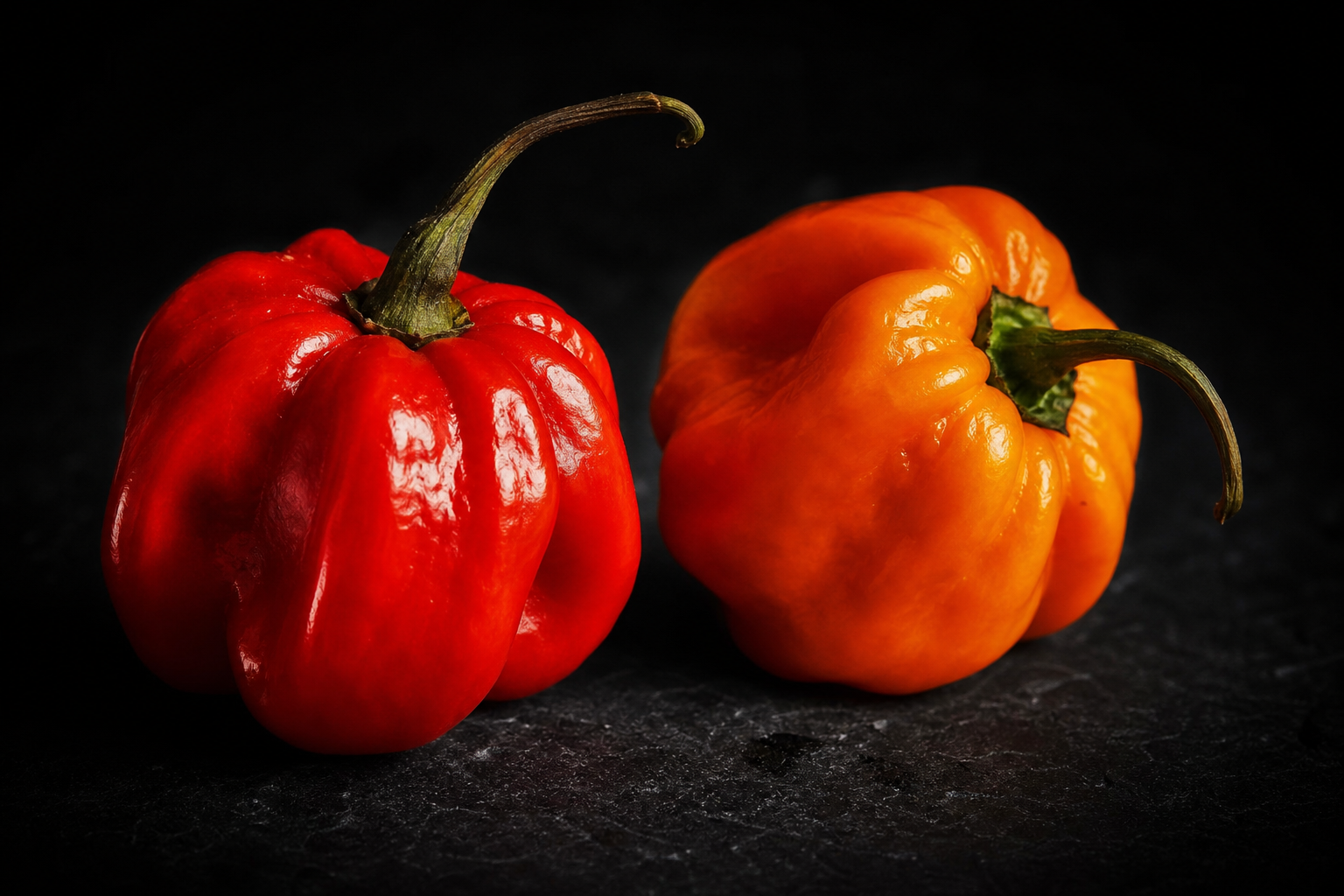
100,000–350,000 SHU
Caribbean cousin of the habanero — sweeter and fruitier up front, then a rolling, sustained burn. Essential in jerk seasoning.
The Devils Cure — At This Level
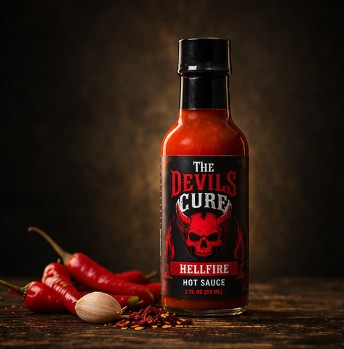
Smoked habanero heat tempered with roasted garlic depth and a charred tomato backbone — bold, smoky, relentless.
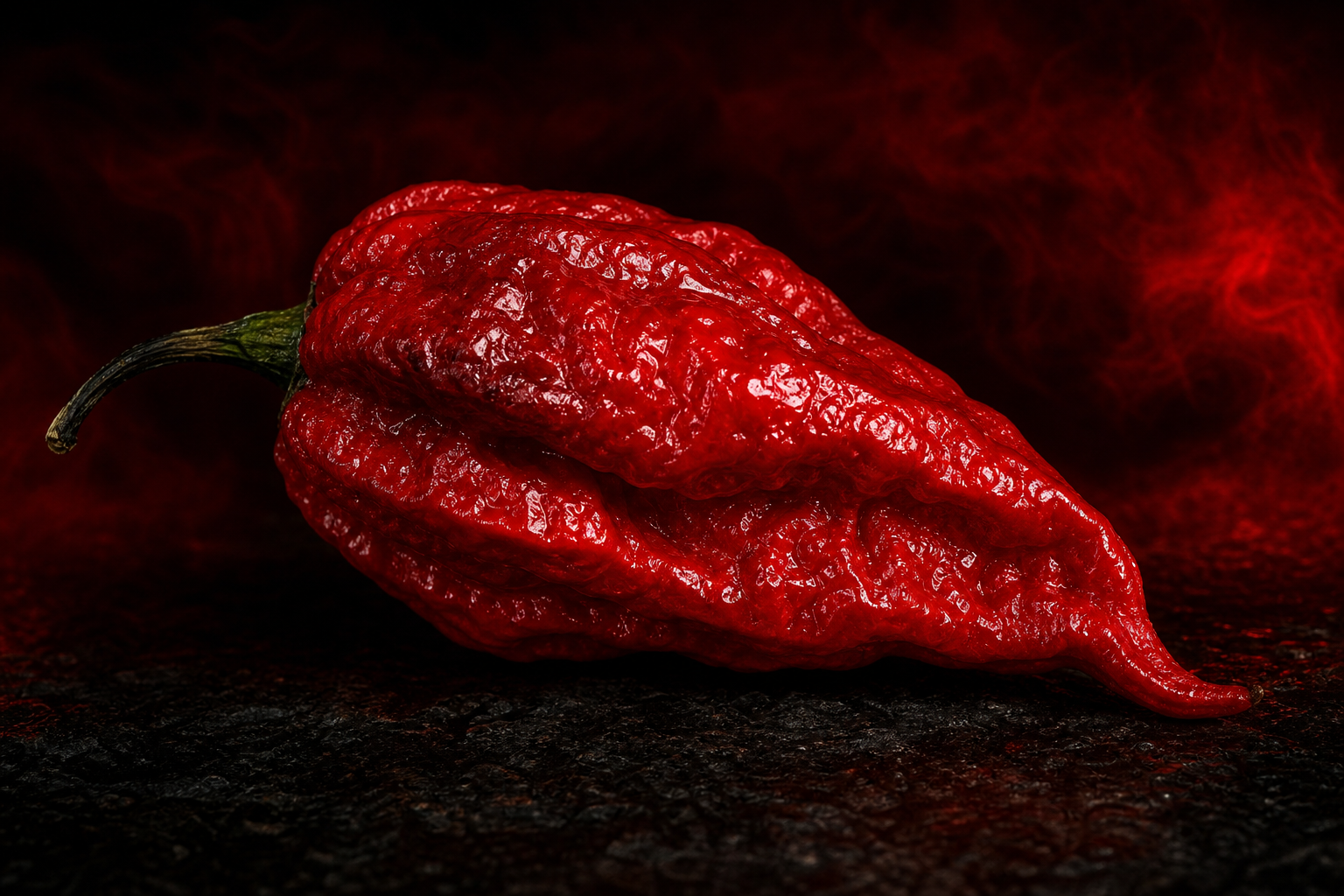
855,000–1,041,427 SHU
The first chili to break 1 million SHU. The original superchili — builds slowly across the back of the throat, peaks hard, and lingers.
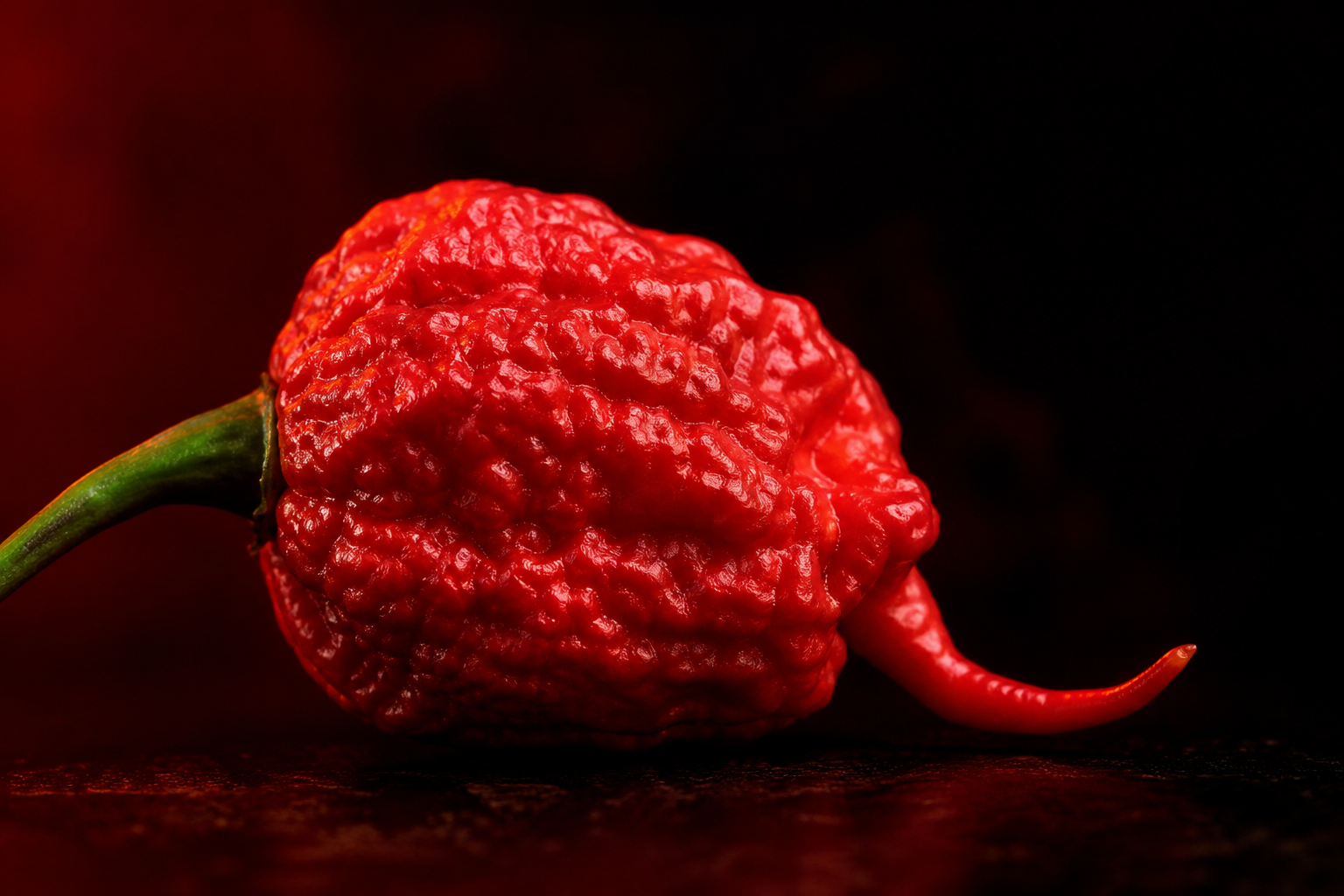
~1,469,000 SHU
Named because one pod can heat seven pots of stew. Distinctive scorpion-style tail tip and extreme capsaicin density per gram.
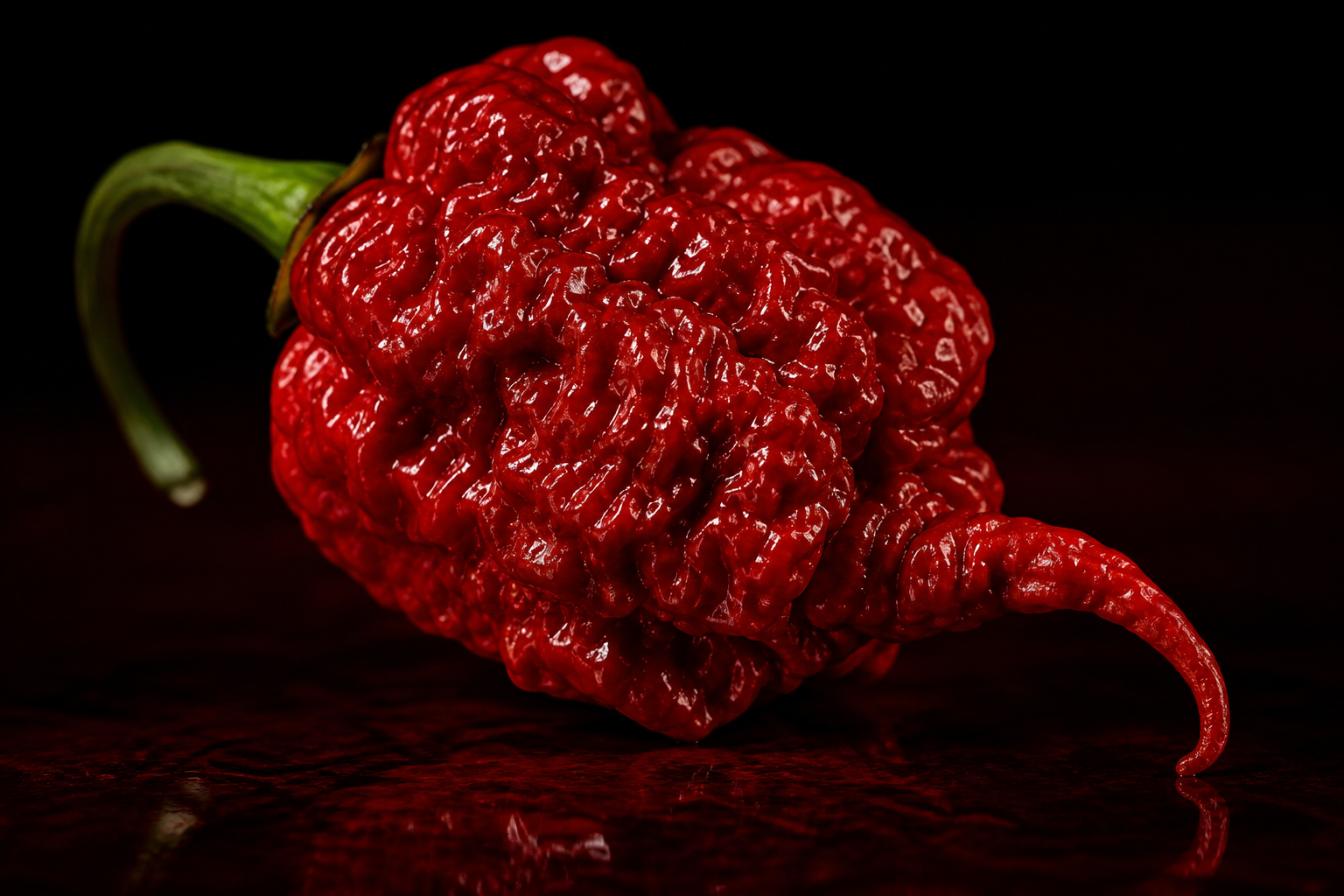
1,200,000–2,009,231 SHU
Relentless, building heat that keeps peaking long after you swallow. Previously held the world record. No quick recovery — plan accordingly.
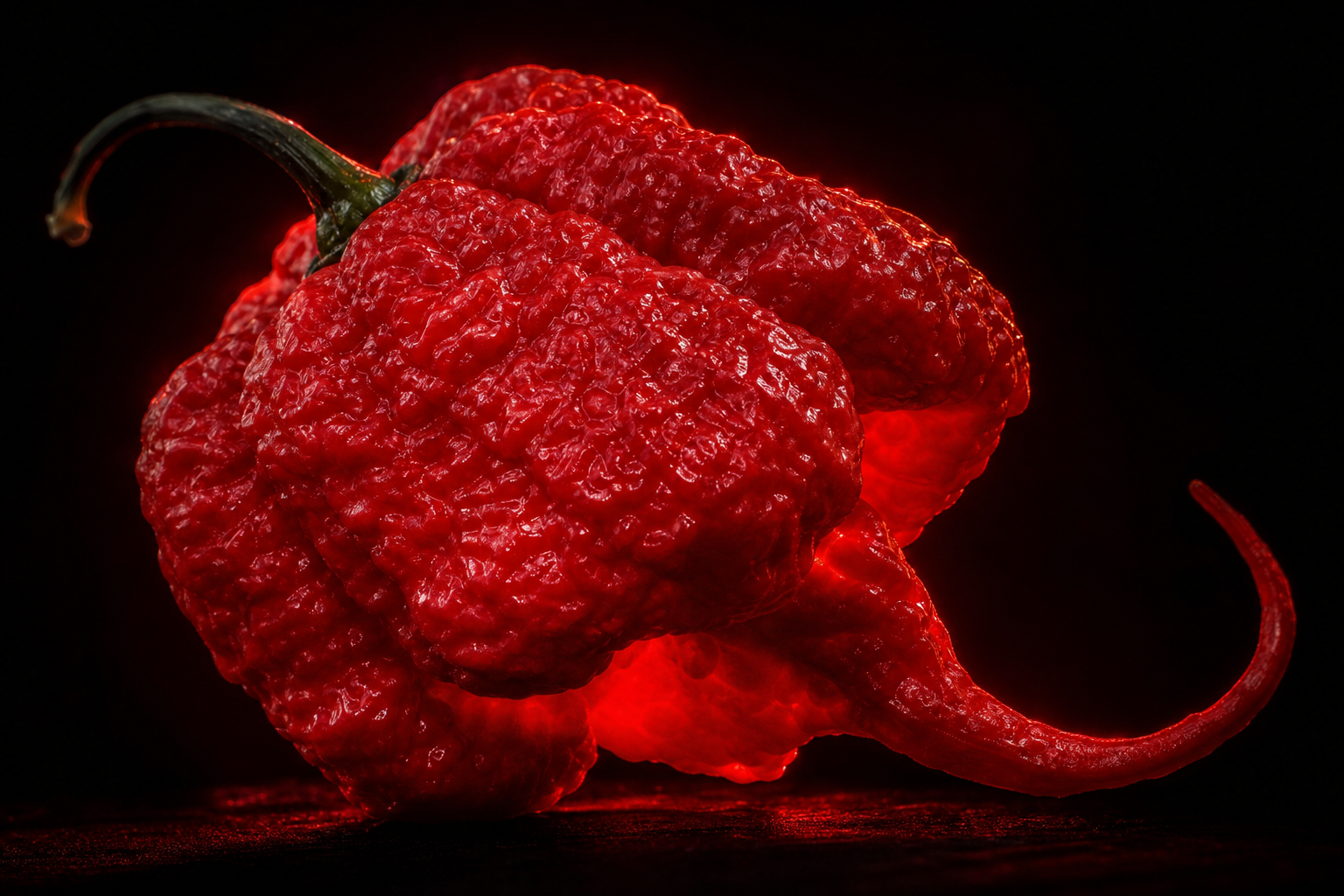
1,400,000–2,200,000 SHU
Fruit-forward — almost sweet for one brief second — then a scorching, escalating burn that earns every part of its name. The definitive extreme chili.
The Devils Cure — At This Level
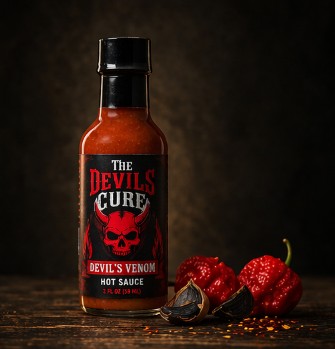
Carolina Reaper meets black garlic, blackstrap molasses, and ginger — balsamic depth that mellows the burn just enough to actually taste it. One drop per plate.
The Scoville scale measures the heat of chili peppers in Scoville Heat Units (SHU), based on the concentration of capsaicinoids. Invented by pharmacist Wilbur Scoville in 1912, it was originally determined by human taste panels diluting pepper extract until heat was undetectable. Today it's measured precisely by high-performance liquid chromatography (HPLC).
The Carolina Reaper currently holds the Guinness World Record, averaging 1.64 million SHU with peaks above 2.2 million. It was bred by Ed Curlin in Fort Mill, South Carolina. A newer contender — Pepper X, also by Curlin — has been claimed at 2.69 million SHU, though independent verification is ongoing as of 2026.
A habanero is roughly 40 to 100 times hotter than a jalapeño. Jalapeños typically measure 2,500–8,000 SHU; habaneros start at 100,000 SHU. Beyond the numbers, they're also completely different flavor profiles — jalapeños are grassy and bright, habaneros are fruity and floral. Both are excellent sauce peppers for very different reasons.
SHU stands for Scoville Heat Units — the numeric measure of capsaicin concentration in a pepper or sauce. One part capsaicin per million parts solution equals approximately 15 SHU. A bell pepper is 0 SHU. The Carolina Reaper peaks above 2,200,000 SHU. Most everyday hot sauces used at the table fall in the 1,000–30,000 SHU range — the cayenne zone.
Not even close. Capsaicin — the compound that causes heat — has no flavor of its own. It only activates heat receptors. The fruity notes in a habanero, the grassiness of jalapeño, and the balsamic depth of black garlic are entirely invisible to the Scoville scale. The best craft hot sauces are formulated so every drop tastes like something before, during, and after the burn. Heat without flavor is just pain — and pain doesn't drive repeat purchases.
Three sauces. Three heat levels. One small-batch brand that leads with flavor and finishes with fire.
Shop the lineup